
Symbol of a 265 years of peace
The Maison has always looked beyond its own walls. The Kabuto Legacy turns that instinct toward Japan. Centuries ago, twelve samurai brought a divided country together and opened an age of peace that would hold for 265 years. This ambitious timepiece gathers them around Edo Castle, rebuilt in miniature on a single dial, as the Maison's homage to a culture it has long admired.
A boutique edition of twenty-eight, revealed in Tokyo.

The Bushō
01.
The samurai who made peace
The council
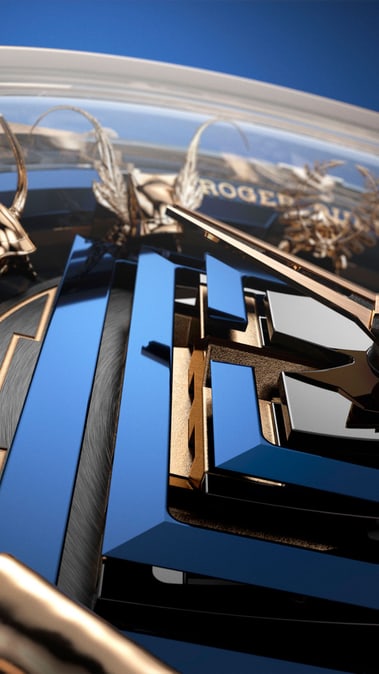
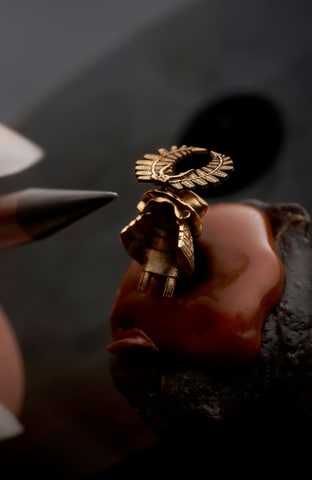
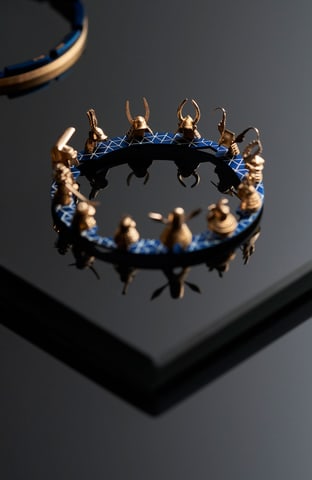
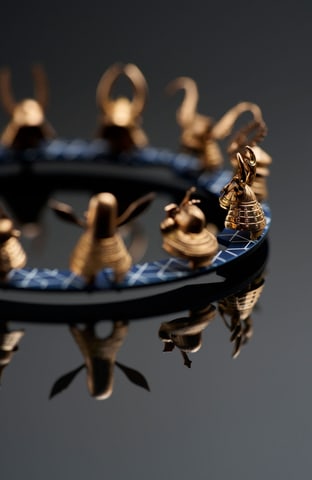
Twelve samurai stood at the founding of the peace. Tokugawa Ieyasu, and the eleven who stood with him. On the dial, each returns as a kabuto, the helmet that once set him apart at a single glance. Micro-sculpted and finished by hand, they gather around the castle like a council called to order. Look closely. No two are alike.
Every helmet a signature
The maedate
A kabuto carried meaning. Its crest, the maedate, announced a samurai's lineage, his beliefs, and his ambitions, legible at a glance even from a distance. Honda Tadakatsu wore towering deer antlers. Date Masamune crowned his with a golden crescent moon. Every ornament on this dial is drawn from historical records and archives, then rendered in gold.
Symbol of their family
The kamon
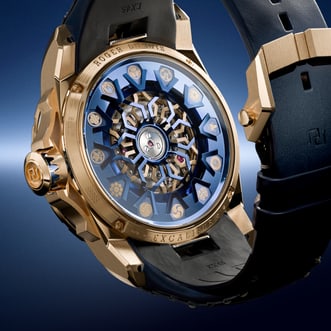
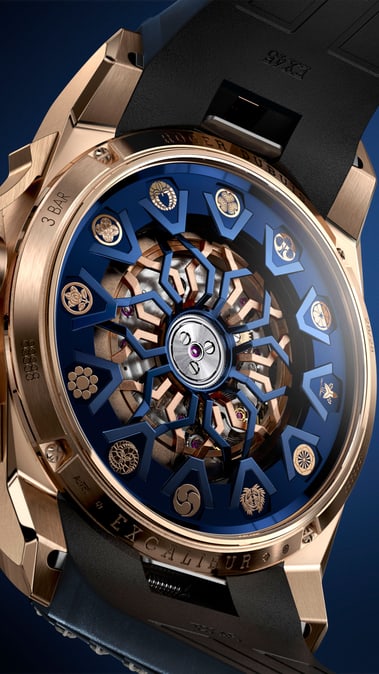
Turn the timepiece over. On the caseback, the twelve kamon, the family crests by which each samurai was known across the country. They are laser-engraved into pink gold, set over a deep blue coating. Where the dial gathers the men, the reverse keeps the strength of their names.
A New Era for Peace
02.
A castle in seventeen pieces
Edo castle
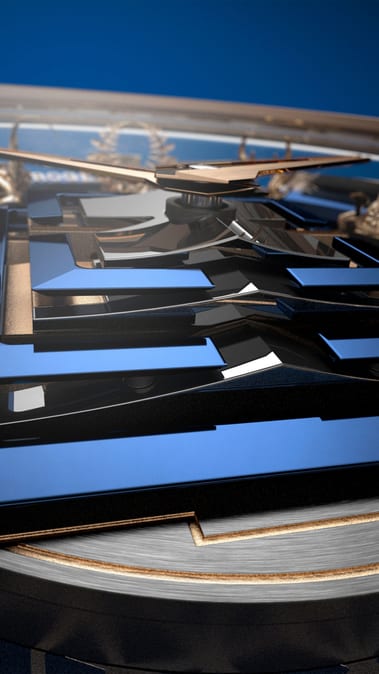
At the centre of the dial stands Edo Castle, the seat from which a unified Japan was governed for 265 years. It is rebuilt in miniature from seventeen elements of pink gold, worked across four decorative techniques. Some roofs carry a blue coating, others a black; the walls are shotblasted, the ground laser-engraved. Once a modest fishing village, Edo grew into a capital of craft, commerce, and art. The castle is the still point around which everything turns.
From armour to ink
Indigo
The blue is indigo, a colour woven deep into Japan. Samurai dyed the cloth beneath their armour with it, prizing its strength and its kindness to the skin. When the country came to peace, the colour followed them into daily life, into the textiles of Edo then the prints of Hokusai and Hiroshige. On the dial it returns as a coating over pink gold; on the strap, as calf leather stitched like armour.

Laced like armour
The strap
The armour reaches the wrist as a strap. Worked in blue calf leather, it is built from stitched tiles that follow the plates of a samurai's protection, laced in the manner of the cords that once held them together. Over time it takes on a patina, the quiet wear of something lived in. A second blue strap comes with the piece. The armour, made soft enough for every day.
The excellence of two manufactures
03.
Bound by craft
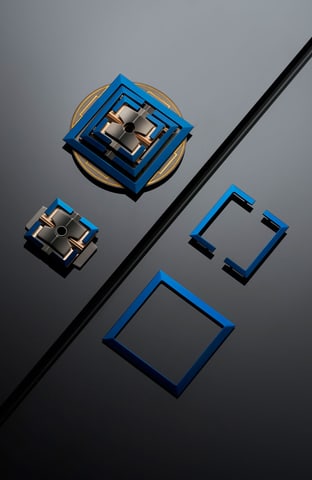
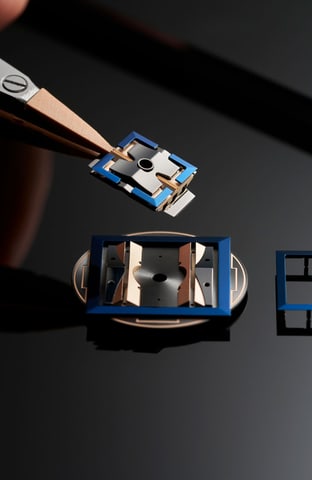
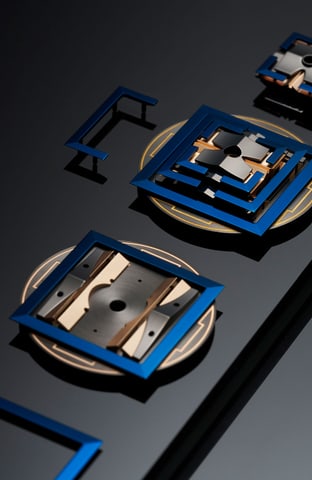
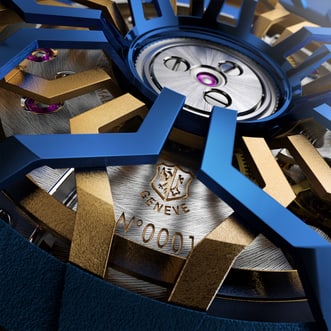
In Geneva, the Maison keeps every stage of the work in its own hands. The RD821 that drives the Kabuto Legacy is conceived, produced, and finished by hand, then certified by the Poinçon de Genève, the seal that has guaranteed Geneva watchmaking since 1886. 172 components. 88 quality controls. 14 finishes.
“"Samurai culture produced some of the most extraordinary wearable art in human history. That this tradition of master craftsmanship now meets the art of haute horlogerie feels entirely fitting. Both disciplines demand the same uncompromising pursuit of excellence."”
Made to be handed on
The Excalibur Kabuto Legacy is a boutique edition of twenty-eight, revealed in Tokyo.
Every piece is certified by the Poinçon de Genève. Made to be kept, and one day passed on.